About Kodiak, Alaska
Alaska’s Emerald Isle
Home of the Kodiak National Wildlife Refuge, Fort Abercrombie State Historical Park, the legendary Kodiak brown bear, the Alutiiq Museum, the annual Kodiak Crab Fest, a variety of wildlife, milder Alaska weather, and stunning vistas year-round, Kodiak is a treasure trove for outdoor, history, culture, and wildlife enthusiasts.
At Kodiak Discovery Tours, we don’t just work in Alaska - we live Alaska, so we can bring the authentic Alaskan experience to you. We boast decades of combined experience in Alaska maritime and tour operations, hold long-standing community ties, and boast a deep knowledge of the history, landscape, and culture of the area.
Whatever you want to experience on Kodiak, we can help make it happen - or connect you with someone who can.
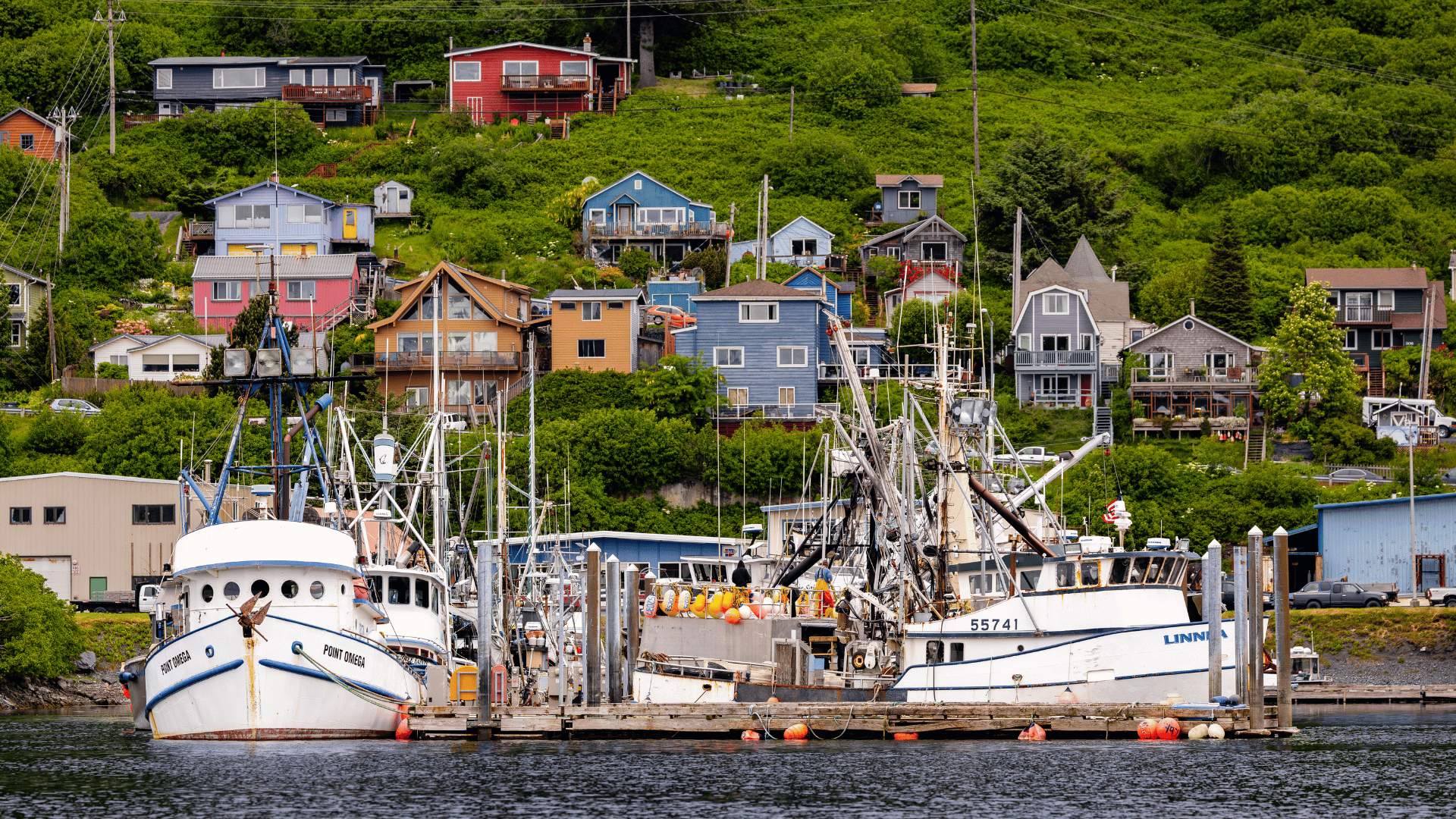
Photograph by Diana Mills

Visiting Kodiak - What to Do on the Island
With miles of coastline, crystal waters, diverse wildlife, lush forests, rolling wildflower-dotted hills, and snowcapped mountains, outdoor adventures are an obvious choice for visitors to the island. But Kodiak’s offerings go well beyond hiking, boating, fishing, and exploring outside.
The town offers great restaurants and cozy cafes, more than 100,000 artifacts in the Alutiiq Museum, exhibits throughout town as part of Kodiak’s Maritime Museum – the museum without walls – the Kodiak History Museum, Holy Resurrection Orthodox Cathedral, Kodiak Island Brewing Company, and the Kodiak Laboratory Aquarium & Touch Tank.
Geography, Topography & Weather
Kodiak, Alaska, is the largest island in the Kodiak Island Archipelago, with more coastline than Hawaii’s Big Island. Along the 180-mile-long string of islands, Kodiak makes up 3,588 square miles of the total 5,000 square miles of land area.
Sitting along the Gulf of Alaska, Kodiak is distinguished by its mountainous spine. The town itself is home to Kodiak College, and while most people live in the City of Kodiak - set in the northeast corner of the island - others live in remote communities. These include 6 Alaska Native villages - Ouzinkie, Port Lions, Larsen Bay, Karluk, Akhiok, and Old Harbor.
Kodiak boasts milder year-round temperatures than the interior of Alaska, with summer temperatures ranging from 50 - 80 degrees F and winter temperatures ranging from about 10 - 40 degrees F. Whether you’re looking for snowy activities, sunny hikes, or time on the water, the lovely weather on this scenic Alaska island provides the perfect setting.
Kodiak Wildlife
The Kodiak brown bear, a subspecies of grizzly bear, vies for the spot (up against the polar bear) of the largest land-based predator on Earth. This massive animal trolls the 800 salmon streams across the chain of islands, with about 3,000 living in the Kodiak National Wildlife Refuge.
While Kodiak is known for its bears, it is also home to a wide variety of animals - including one of the largest worldwide populations of Emperor Geese, Steller’s Eiders (who winter in Kodiak), the little brown bat (the smallest mammal in Alaska), eagles, Sitka black-tailed deer, red fox, horned and tufted puffins, arctic terns, mountain goats, short-tailed weasels, beavers, and snowshoe hares.
Marine Life on the Island
The sparkling, nutrient-rich waters of Kodiak are a welcome home for an impressive abundance and variety of marine species. While fishing, boating, hiking, or exploring, you may come across seals, sea lions, breaching whales, halibut, lingcod, rockfish, rainbow trout, and dolly varden char.
Some of the most abundant marine life includes the 5 species of Pacific salmon, which are food for the soaring eagles, foraging bears, and other wildlife. The species include Chinook (king), Sockeye (red), Coho (silver), Pink (humpy), and Chum (dog).
Industry on the Island
Kodiak is a major commercial fishing port, houses several canneries, and is home to the largest U.S. Coast Guard base. Tourism is also a major industry here, bringing in travelers from around the world for fishing, hiking, wildlife viewing, and visiting historical sites.
A Timeline of Kodiak, Alaska